Air Conditioning and Indoor Air Quality: What You Should Know
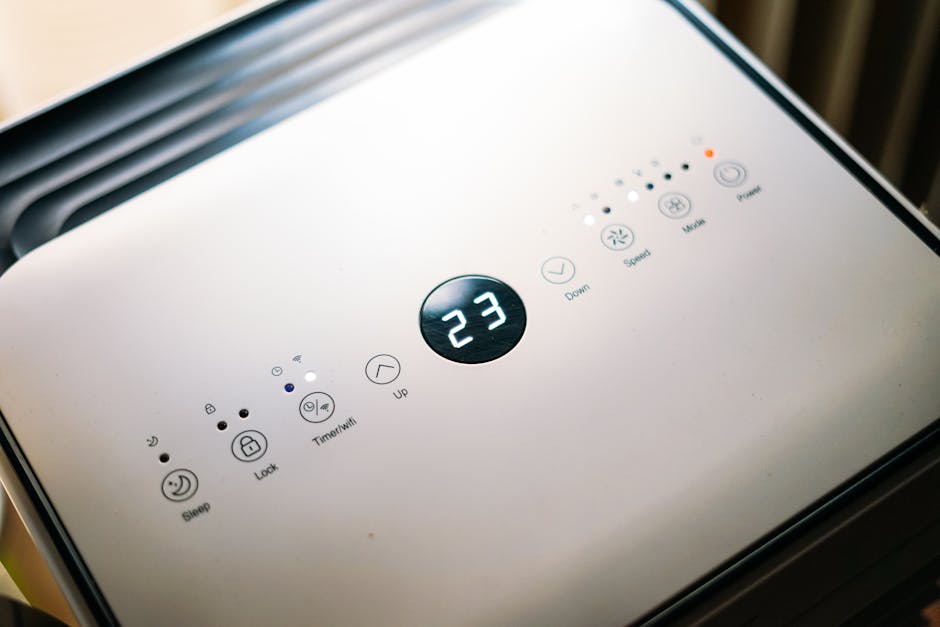
Air conditioning does more than cool your home—it affects the air you breathe. Many people don't realise that their AC system plays a crucial role in indoor air quality. Understanding this relationship helps you maintain a healthier living environment.
How AC Systems Filter Air
Most air conditioning systems include filters that trap dust, pollen, pet hair, and other particles. As air circulates through your system, these filters catch contaminants before the air returns to your rooms. The effectiveness depends on filter quality and how often you change them. Higher MERV-rated filters (13-16) capture more particles than basic filters (MERV 8-11), though they require stronger airflow and may need more frequent replacement.
The Problem with Dirty Filters
Clogged filters reduce airflow and allow contaminants to bypass filtration. They also force your AC to work harder, reducing cooling efficiency and increasing energy costs. More importantly, dirty filters mean pollutants circulate through your home unchecked. If anyone in your household has allergies or asthma, this becomes a significant health issue. Replace filters monthly during cooling season—more often if you have pets or live in a dusty area.
Humidity Control Matters
Air conditioning removes humidity from your home, which is beneficial. High humidity promotes mould growth, dust mites, and other allergens. Most people feel more comfortable and sleep better in moderately dry conditions. However, excessive dryness can irritate respiratory passages and skin. Aim for 30-50% relative humidity—your AC helps achieve this naturally.
Circulation and Ventilation
Modern homes are built to be energy-efficient, which means they're sealed tightly. This reduces heating and cooling losses but can trap indoor air pollutants. Your air conditioning system circulates and filters this air repeatedly. For optimal air quality, ensure your AC system is running regularly. Some people benefit from opening windows occasionally to introduce fresh outdoor air, though this reduces cooling efficiency.
Mould and Moisture Issues
Air conditioning systems produce condensation as they cool. This moisture must drain away properly. If drainage systems become blocked or clogged, water accumulates inside the system, promoting mould growth. Mouldy AC systems spread spores throughout your home, potentially triggering allergies and respiratory problems. Regular maintenance prevents this by keeping drain pans and pipes clear.
Improving Air Quality Further
Consider upgrading to higher-efficiency filters if you have allergies or pets. HEPA filters remove 99.97% of particles 0.3 microns or larger—excellent for allergy sufferers. Some modern systems include UV lights that kill bacteria and viruses. Air purifiers add extra protection, though they work best alongside properly maintained AC systems.
System-Specific Considerations
Split systems are excellent for air quality because indoor units have easily accessible filters you can monitor. Central air systems require attention to ductwork—dirty ducts reduce air quality. Portable units work well for single rooms but don't condition air throughout your home. Choose a system that fits your air quality needs.
Regular Maintenance Improves Air Quality
- Monthly filter changes or cleaning
- Annual professional duct cleaning
- Drain pan inspection and cleaning
- Coil cleaning to prevent mould
- Regular system operation to maintain circulation
Your air conditioning system is an important part of maintaining healthy indoor air. Proper maintenance ensures it filters effectively and doesn't introduce contaminants. Combined with good housekeeping practices, a well-maintained AC system creates a healthier home environment for your family.